The Return of Craft: Why Artisan-Made Décor Is Defining Modern Luxury Interiors
A New Definition of Luxury
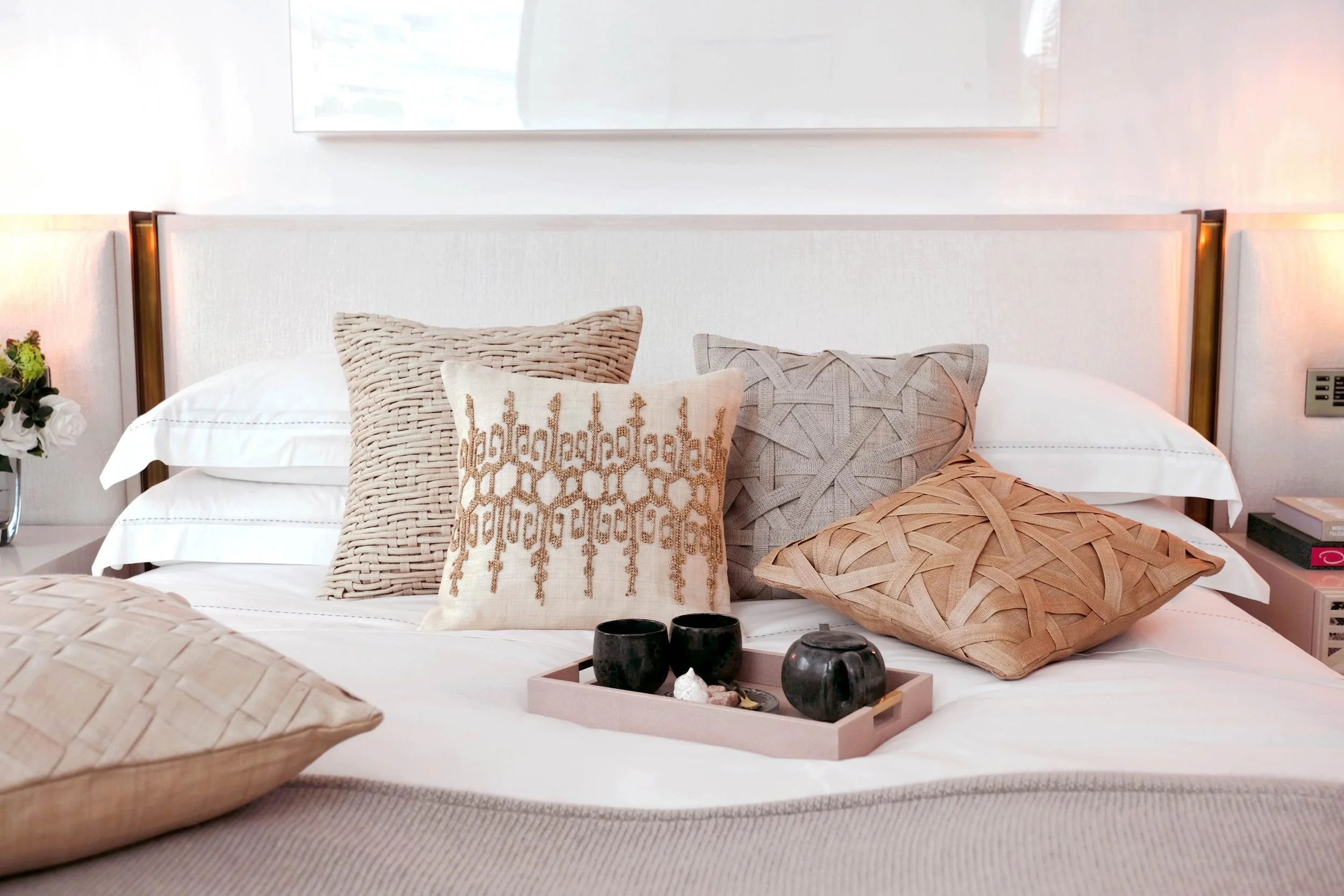
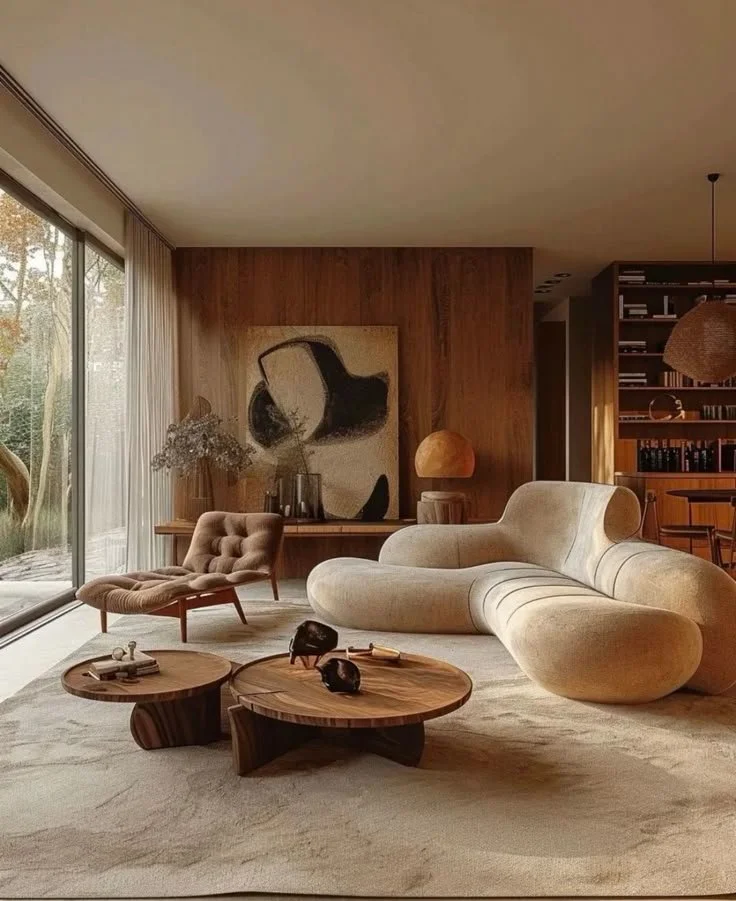
Modern luxury interior layered with artisan-made décor, natural wood and handwoven textiles.
For years, luxury interiors were associated with pristine surfaces, perfect symmetry and a certain sense of newness. Today, something more soulful is taking their place.
The modern home is becoming warmer, more tactile and more personal. Natural fibers sit alongside richly grained woods. Handwoven textiles soften contemporary furniture. Objects bearing subtle variations—the unmistakable evidence of the maker's hand—are being celebrated rather than concealed.
It marks a return to craftsmanship.
True luxury is increasingly found not simply in what an object looks like, but in how it was made, what it is made from, and whose knowledge brought it into being.
For Kubo, this philosophy has always been at the heart of design: pieces shaped slowly and thoughtfully from natural materials, preserving the connection between maker, material and home.
Why Artisan-Made Décor Feels Relevant Again
In an age of mass production, the presence of the human hand has become increasingly precious.
A handwoven textile will never be perfectly identical to the one beside it. Natural fibers carry subtle variations in tone and texture. Wood reveals grain, knots and markings created over decades of growth.
These qualities give an interior something that cannot easily be replicated: character.
Rather than filling a room with objects selected simply because they coordinate, consider pieces that contribute a story. A woven cushion, basket or sculptural object can introduce texture while also carrying the knowledge of generations of makers.
The result is a home that feels collected rather than manufactured—one that evolves over time instead of belonging to a single moment.
Natural Materials Bring Warmth to Modern Interiors
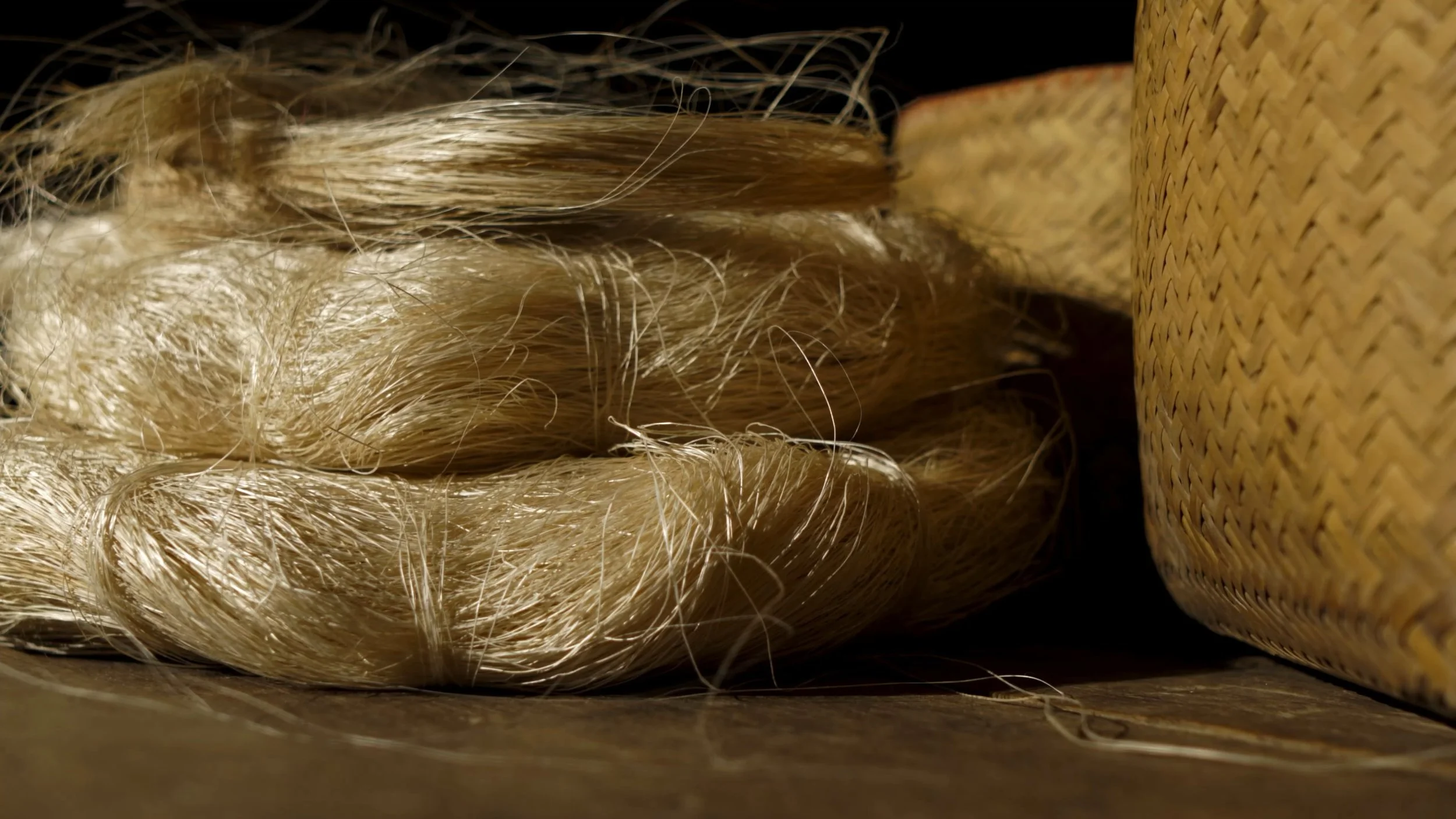
Part of the appeal of handcrafted design lies in its relationship with the natural world.
Abaca, rattan, wood, stone and other organic materials introduce variations that give even restrained interiors warmth and depth. Their tactile surfaces provide a counterpoint to the glass, metal and smooth finishes often found in contemporary architecture.
They also age differently from synthetic materials.
Wood develops patina. Fibers soften. Handcrafted surfaces reveal subtle signs of use. Rather than diminishing a piece, these changes can become part of its beauty.
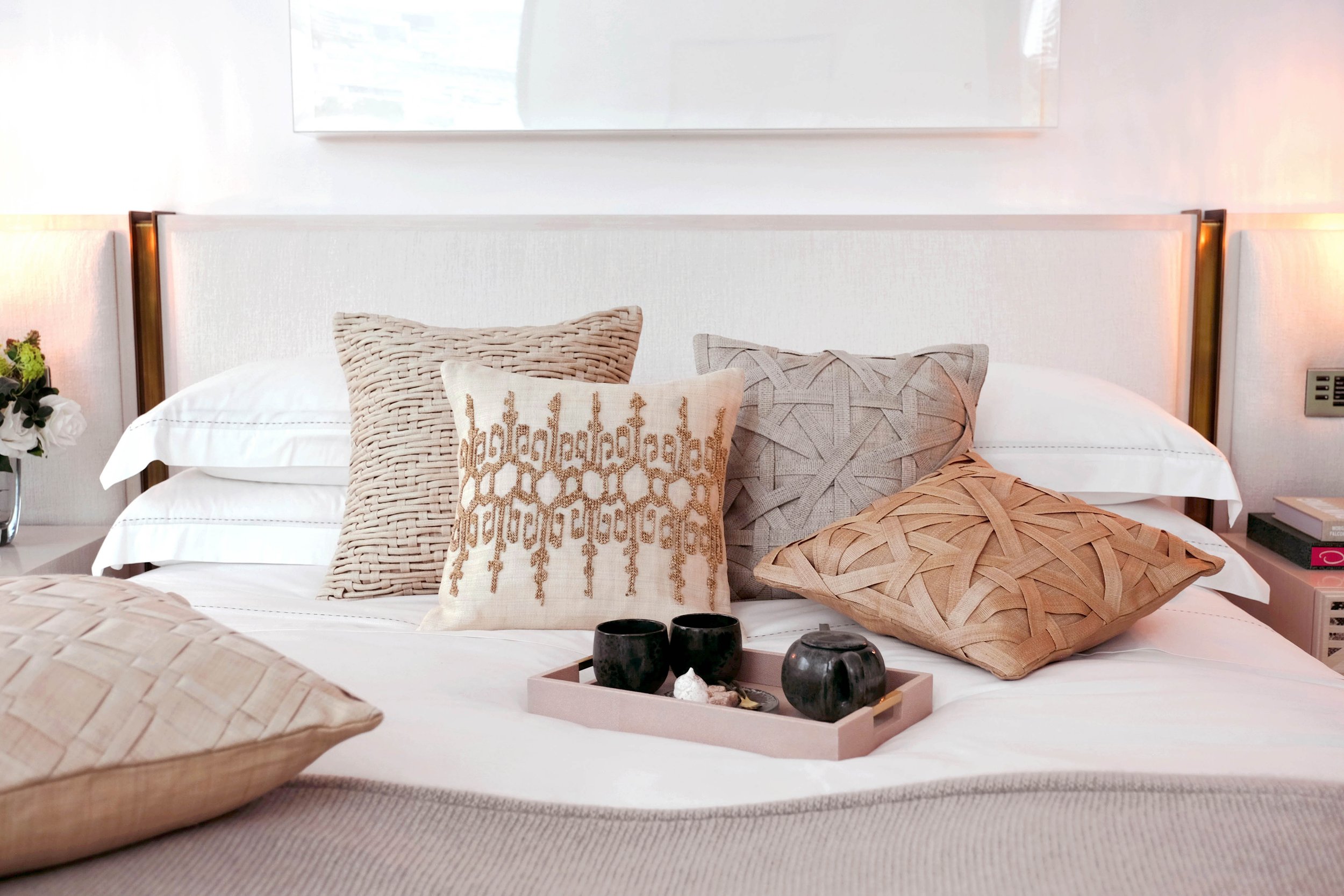
This is particularly powerful in minimalist or neutral interiors. Instead of relying on more decoration, designers can create richness by layering materials: woven fibers against linen, warm wood beside stone, or a tactile handcrafted cushion against a sculptural sofa.
Craftsmanship as Cultural Heritage
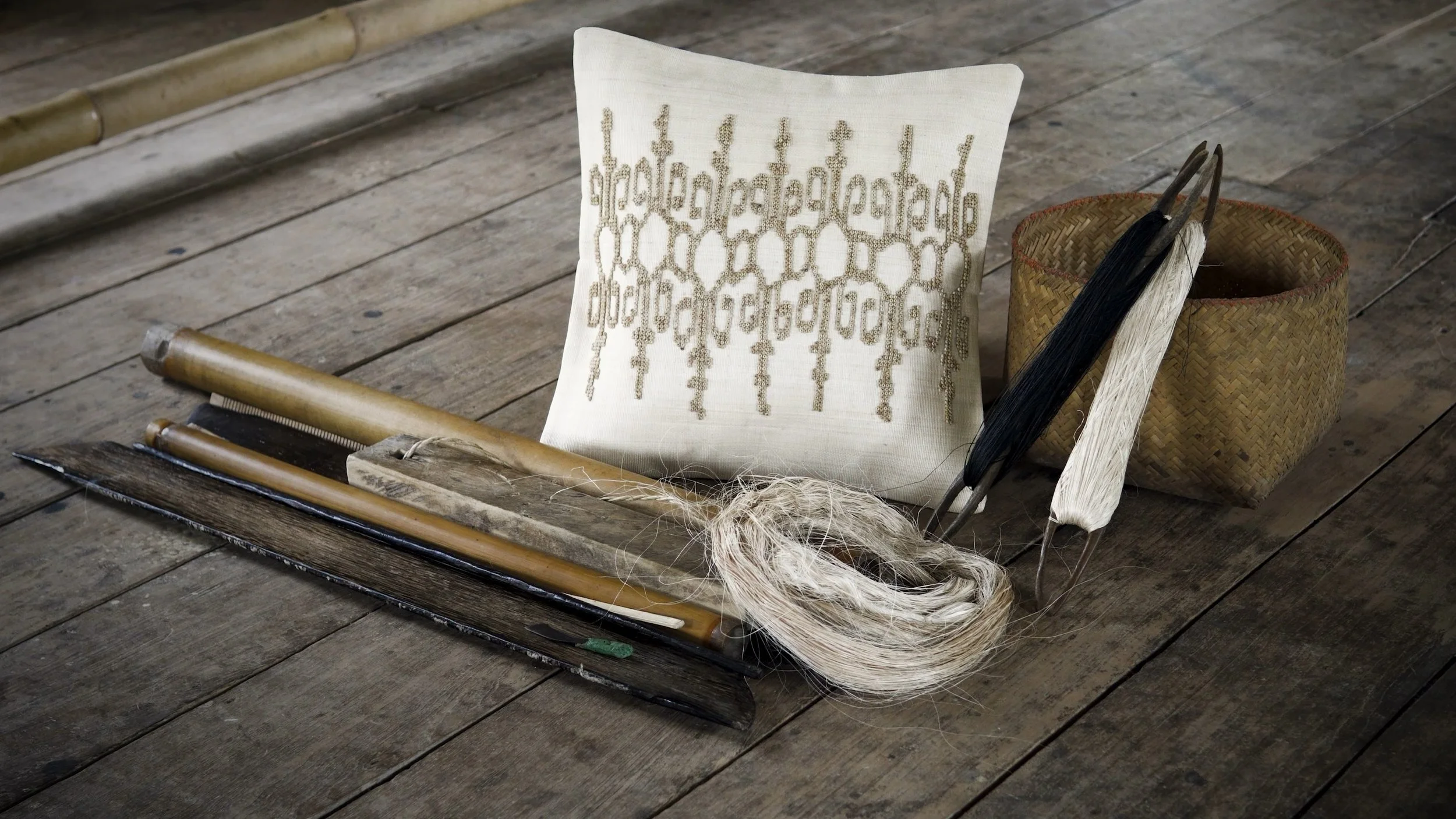
There is another dimension to artisan-made design that goes beyond aesthetics.
Traditional craft carries knowledge.
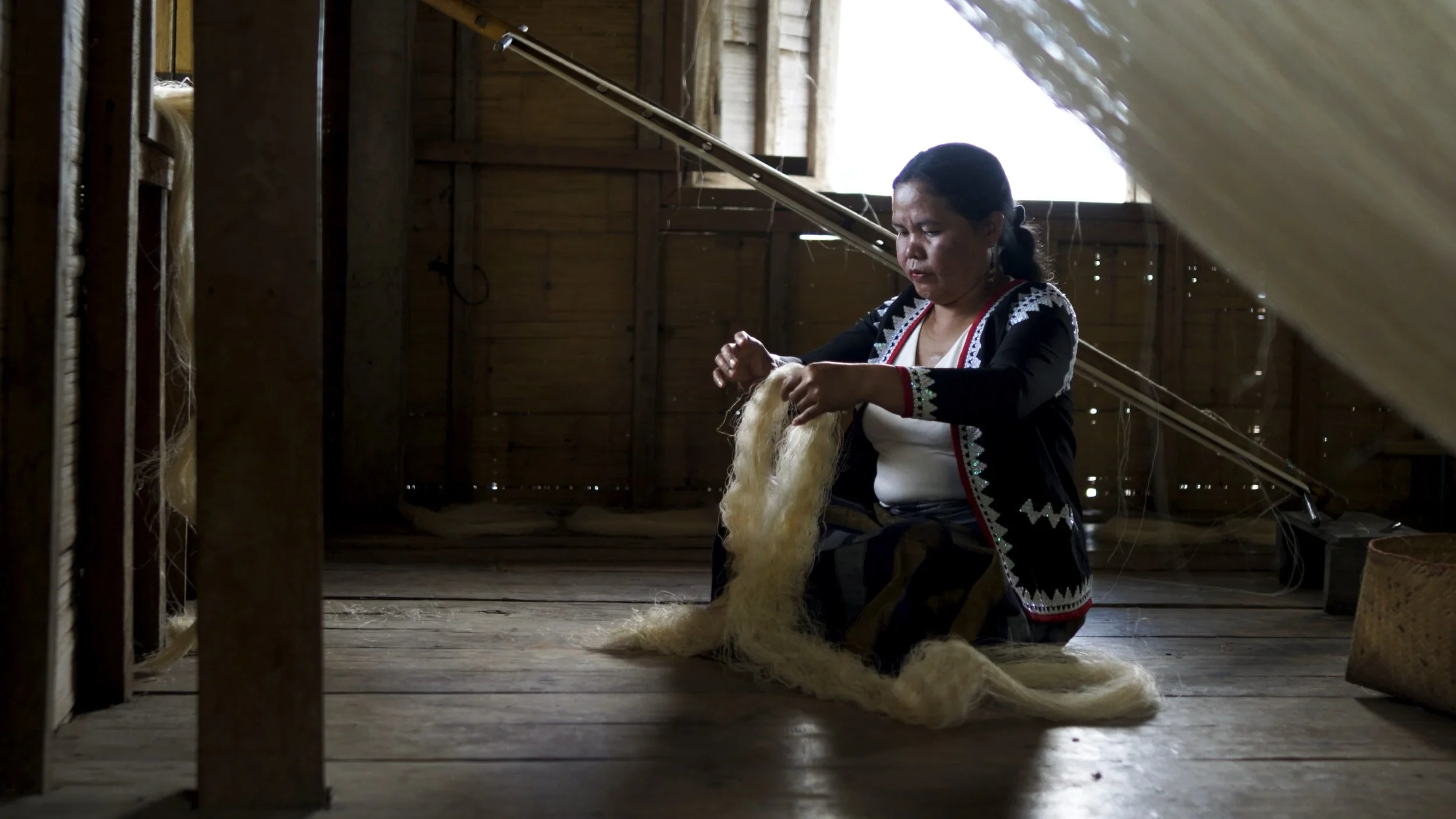
Techniques for weaving, carving and working with natural fibers are often passed from one generation to the next. They reflect the landscapes, resources and cultural identities of the communities in which they originated.
In the Philippines, this relationship between material and maker is particularly rich. Indigenous fibers and weaving traditions have long transformed materials from the surrounding landscape into objects of remarkable intricacy and beauty.
When these traditions enter contemporary interiors thoughtfully, heritage does not remain frozen in the past. It continues to live, adapt and find new expression.
At Kubo, we believe preserving craft means valuing both the finished object and the people behind it. Working with artisans helps sustain livelihoods while allowing generations of knowledge to continue through contemporary design.
Sustainable Luxury Begins with Intention
The renewed appreciation for craftsmanship also invites us to reconsider how we consume.
A slower approach to decorating asks a different set of questions:
Who made this? What materials were used? Where did they come from? Will this piece still feel meaningful years from now?
Choosing fewer, thoughtfully made objects can create an interior with greater depth than continually replacing pieces as trends change.
Sustainability, in this sense, is not simply a material choice. It is a philosophy of longevity—valuing objects enough to keep, care for and eventually pass on.
That is where craftsmanship and sustainability naturally meet.
How to Bring Artisan Craft into a Modern Home
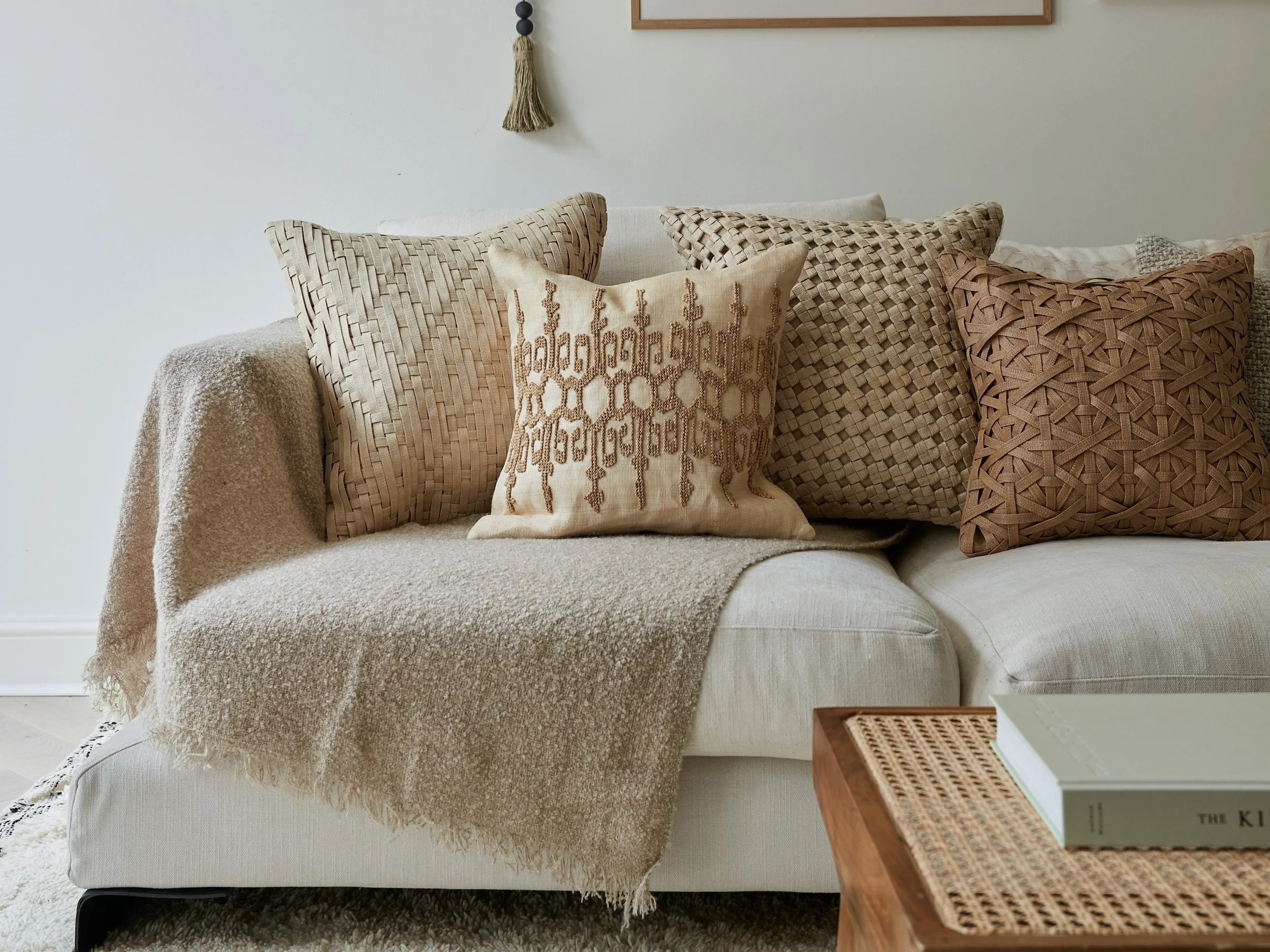
Introducing handcrafted pieces does not require transforming an entire room. Often, their impact is strongest when they are given space to be appreciated.
Begin with texture. Layer a handwoven cushion onto a clean-lined sofa, introduce a woven basket beside a sculptural chair, or place an artisan-made object against the simplicity of stone or timber.
Mixing old and new can create even greater depth. Traditional weaving techniques feel striking alongside contemporary architecture precisely because of the contrast: one speaks of generations of knowledge; the other of modern life.
Above all, resist the urge to make everything match.
Natural variation is part of the beauty.
A Home Made Meaningful
Perhaps the most enduring shift in interior design is not a particular color, material or silhouette.
It is a desire for meaning.
We want to know the stories behind the objects we bring into our homes. We want materials that feel connected to nature and pieces that reveal the skill required to create them.
Artisan craftsmanship answers that desire beautifully.
A handcrafted object does more than complete a room. It connects the landscape where its materials originated, the hands that shaped it and the home in which it ultimately lives.
And in a world of increasingly disposable things, that connection may be one of the most meaningful expressions of luxury.